
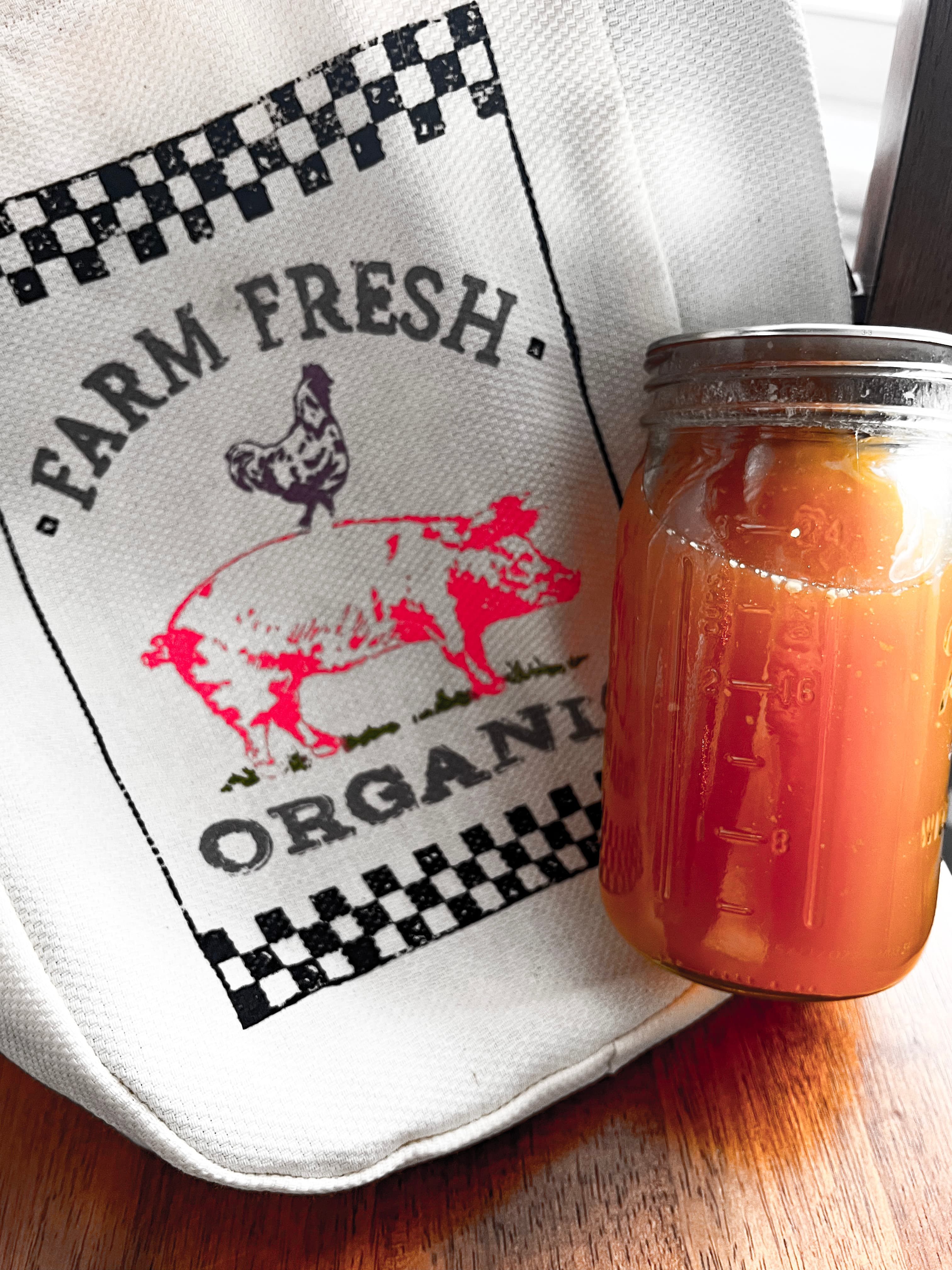
Homemade Stock: A Flavorful Kitchen Staple
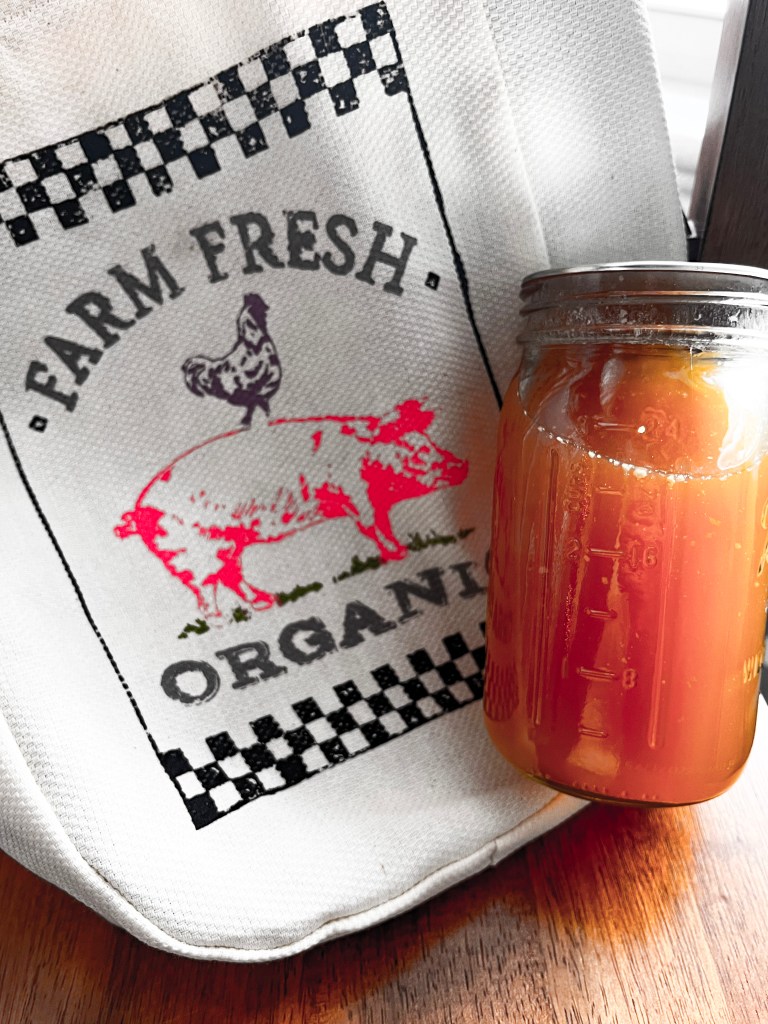
Thanksgiving was just last week, and one of my favorite post-holiday rituals involves a turkey – not just any part of it, but the bones. There's something almost therapeutic about carefully stripping all the meat from the turkey bones, ensuring nothing goes to waste. I then carefully package these bones and tuck them into my freezer. This isn't just a quirky habit; it's a crucial step in preparing one of my most cherished kitchen staples – homemade stock. The transformation of these humble bones into a rich, flavorful stock always feels like a culinary magic trick, turning something ordinary into something extraordinary.
Homemade stock is the unsung hero in the kitchen, a secret ingredient that elevates dishes from good to great. It's incredibly versatile, seamlessly substituting for water in almost any recipe, infusing depth and flavor into everything from soups to risottos (though I'd draw the line at using it in a cake recipe). My friends often tease me about my collection of bones in the freezer, finding it a bit odd. But they were genuinely surprised when, a few weeks ago at a dinner party, I eagerly asked to take home two chicken carcasses destined for the trash. To me, it was a treasure trove destined for my stockpot. I firmly believe in the superiority of homemade stock over store-bought varieties, which often lack the richness and depth of flavor that home cooking provides.
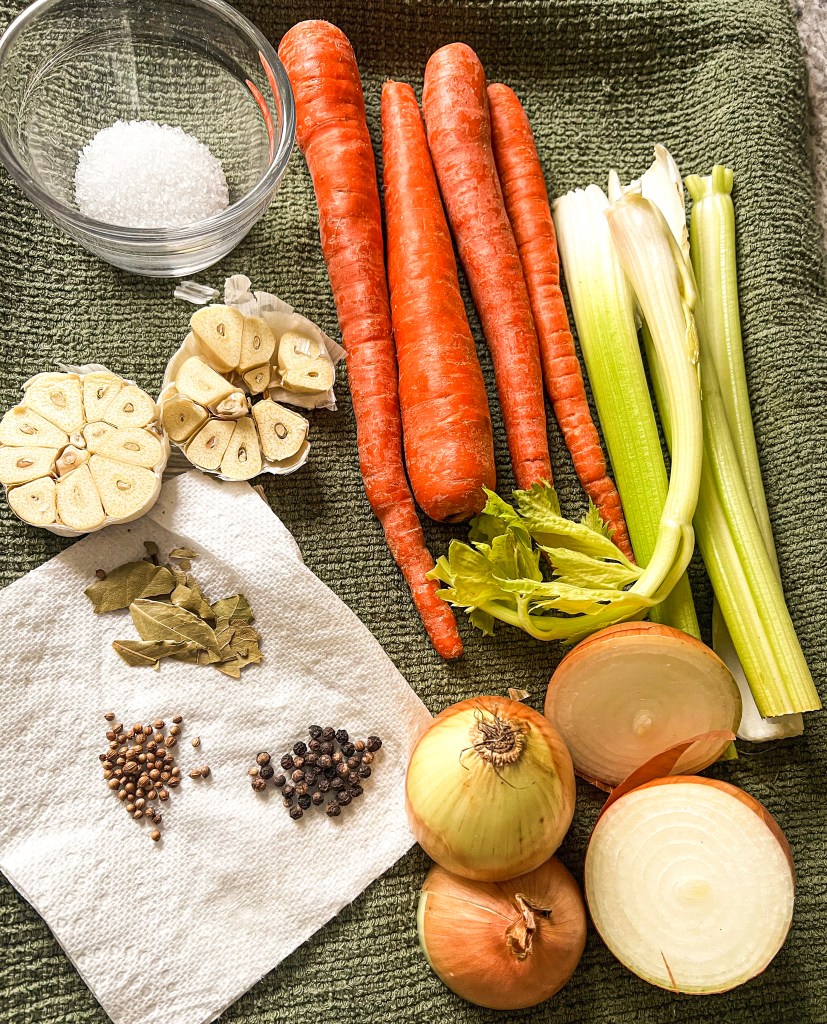
To start, I raid the fridge for ingredients, not getting too fussy about it. I use whatever fresh or frozen vegetable scraps I've saved, along with chicken bones and a handful of seasonings. In the picture below, you’ll see my lineup: carrots, peppercorns, coriander seeds, bay leaves, garlic cloves, onions, celery, and a little bit of salt. You can choose to omit the salt or add a bit now; I prefer to keep it light at this stage and adjust later when cooking.
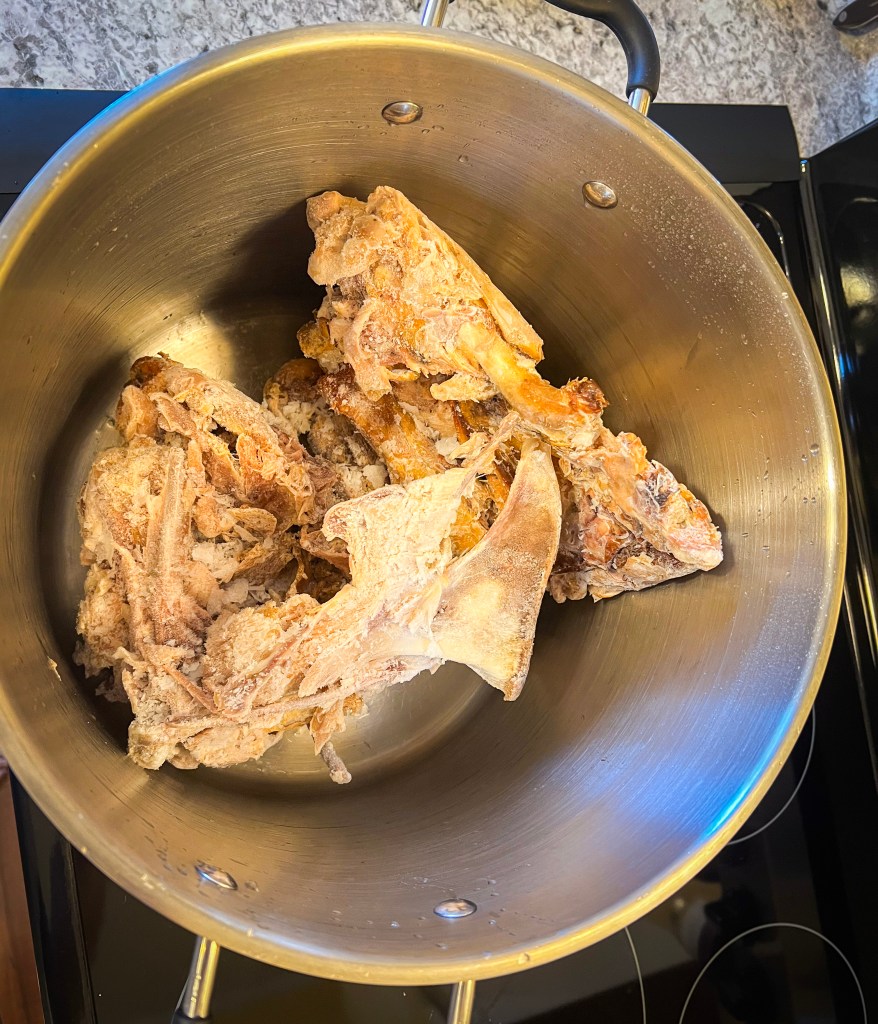
I use a large, heavy stockpot, adding leftover chicken or turkey — it’s totally fine if there's still some meat and skin attached; it only adds more flavor. Honestly, you can't mess this up.
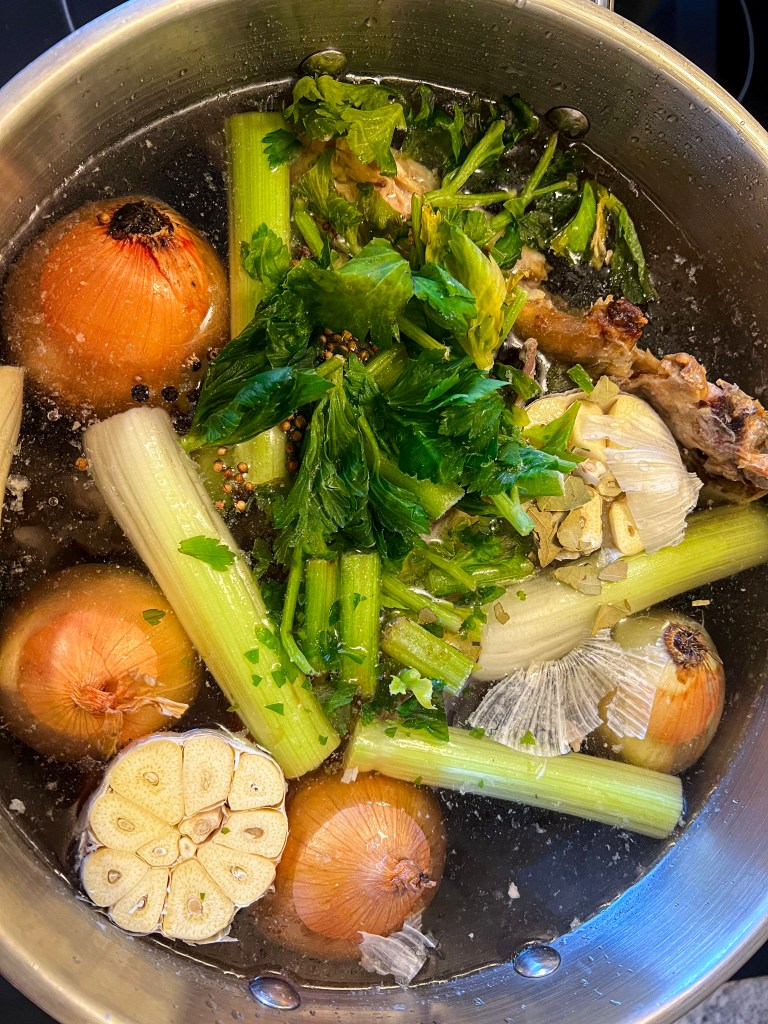
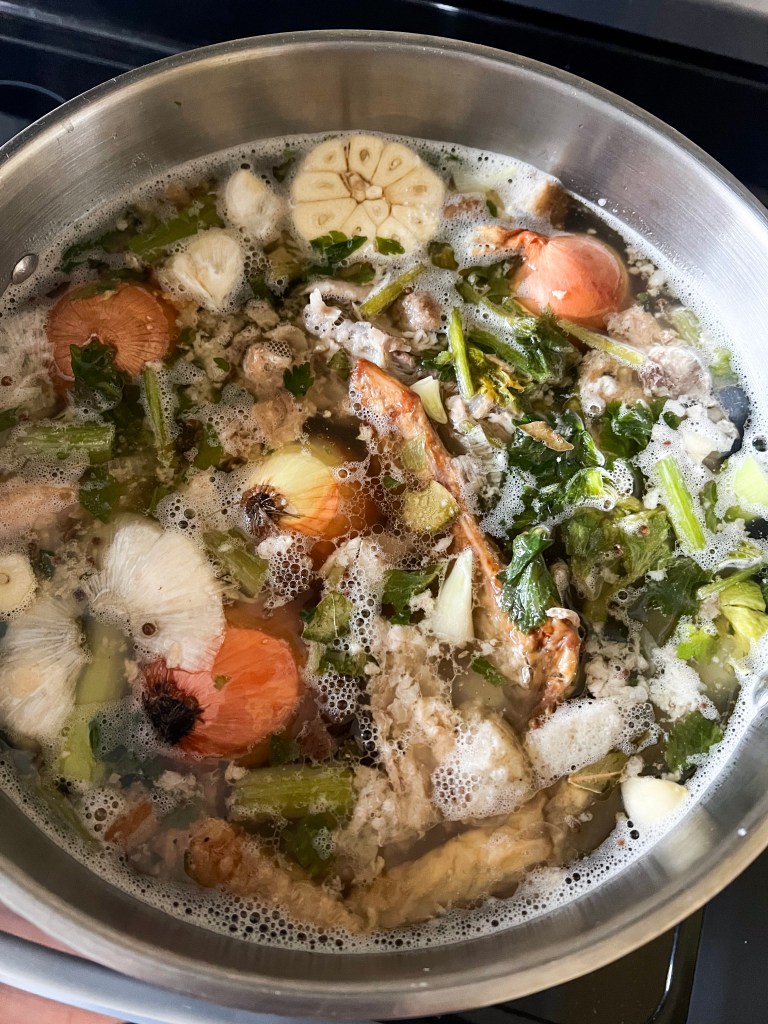
The secret to a great stock is to avoid boiling it. Bring it to a gentle simmer and let it cook for 4-6 hours on the stove. This slow process extracts all the rich flavors and nutrients.
Once done, remove all the solid ingredients and strain the stock through a sieve. Then, refrigerate it for 24-48 hours. This cooling period allows any fat to rise to the top and solidify, making it easy to remove.
As for storage, homemade stock can last in different ways:
- Refrigerated: It can be kept for up to a week. Make sure it's in a sealed container.
- Frozen: Freeze it in ice cube trays or containers for up to 6 months. This method is great for portioning out stock for future use.
- Canning: If you're into canning, pressure canning homemade stock can preserve it for up to a year. It's a bit more involved but worth it for long-term storage.
Homemade stock is not just a recipe; it’s a sustainable practice that reduces food waste and enhances your cooking. Happy stock-making!
Recipe
Soup · American
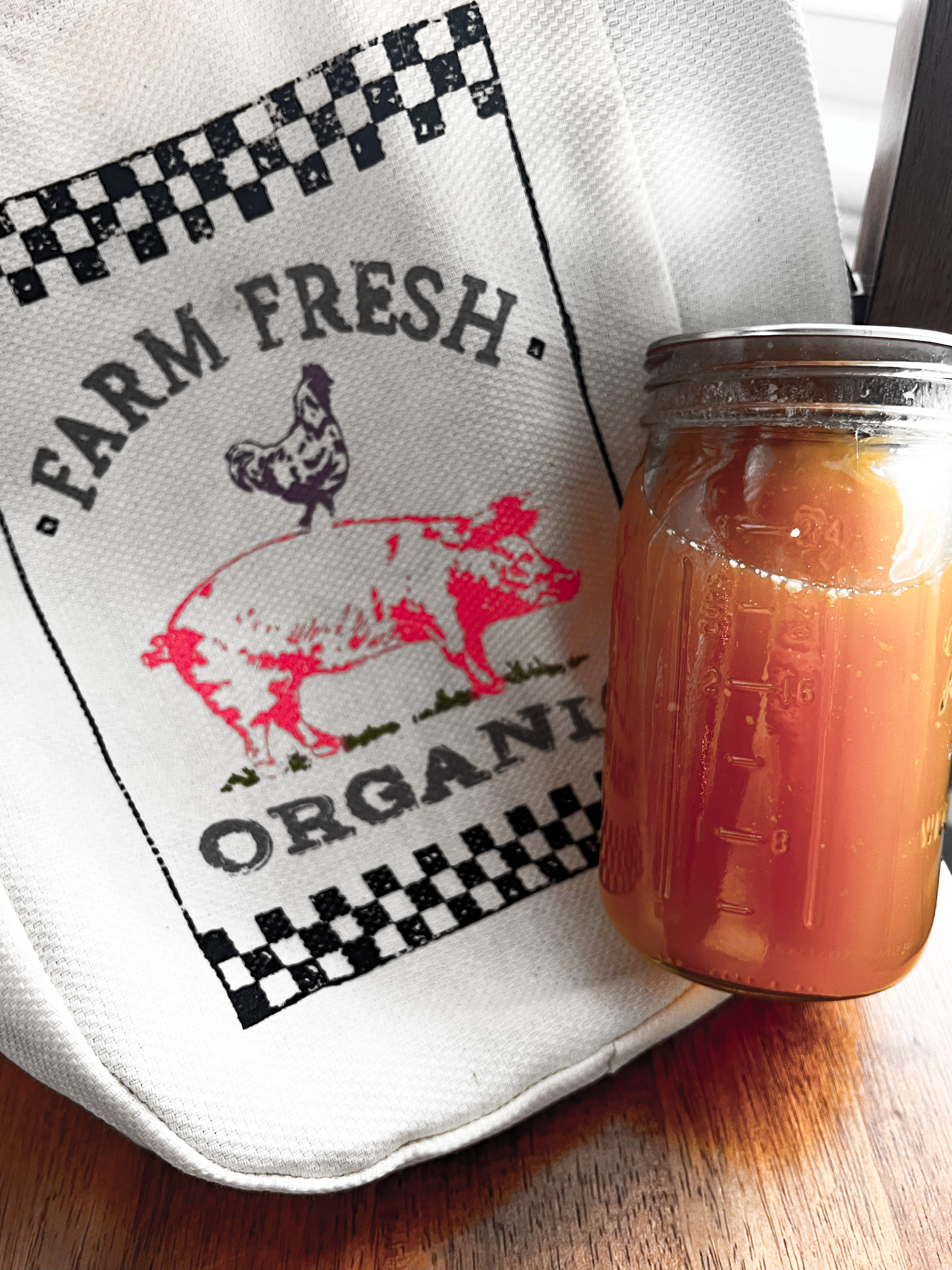
Homemade Stock: A Flavorful Kitchen Staple
Enjoy your homemade stock in soups, sauces, gravies, or any recipe that calls for liquid. Each time you make it, you'll be adding a touch of love and flavor to your meals that simply can't be bought in a store.
Prep
24h
Cook
6h
Total
30h
Ingredients
- Bones from a chicken or turkey carcass
- 3 large carrots (washed and cut into large chunks)
- 2 onions (halved with skins on)
- 1 teaspoon coriander seeds
- 1 teaspoon black peppercorns
- 3 celery stalks (cut into large pieces)
- 1 garlic clove (halved with skin on)
- 2 bay leaves
- Kosher salt to taste (optional)
Instructions
- 1Prep the Bones: If you haven't already, strip any excess meat from your poultry bones. It's fine to leave some meat and skin on as they add flavor to the stock. Place the bones in a large heavy-bottomed stockpot.
- 2Combine Ingredients: Add the cut carrots, onions, celery, and garlic to the pot with the bones. Sprinkle in the coriander seeds, black peppercorns, and bay leaves. If you're using salt, add a pinch or two according to your preference. Remember, it's easier to add salt to your dishes later than to remove it from the stock.
- 3Cover with Water: Pour cold water into the pot, enough to just cover the bones and vegetables. The cold water will ensure that the stock comes out clear and not cloudy.
- 4Slowly Bring to a Simmer: Place the pot on the stove over medium heat and slowly bring the mixture to a gentle simmer. This will take some time, but it's important not to rush it. You’re looking for small bubbles to occasionally rise to the surface, not a rolling boil.
- 5Simmer: Once you’ve achieved a gentle simmer, reduce the heat to low. Allow the stock to simmer uncovered for 4-6 hours. Skim any foam or impurities that rise to the top with a ladle or spoon.
- 6Strain the Stock: After the stock has simmered and is rich in color and flavor, remove it from the heat. Set a fine-mesh sieve over another large pot or bowl and carefully pour the stock through to strain out the solid ingredients.
- 7Cool and Skim Fat: Let the stock cool to room temperature, then refrigerate it for 24-48 hours. This will allow the fat to solidify on the surface, making it easy to skim off.
- 8Store: Once the fat has been removed, the stock can be portioned into storage containers. Refrigerate what you'll use within a week, and freeze any excess for up to 6 months. If you're canning, make sure to follow proper canning guidelines to ensure safety.
- 9Note: Feel free to adjust the quantities of vegetables and seasonings to suit your taste or the size of your pot. The beauty of homemade stock is that it's very forgiving and adaptable.
Nutrition per serving
Rate this recipe
Be the first to rate it